


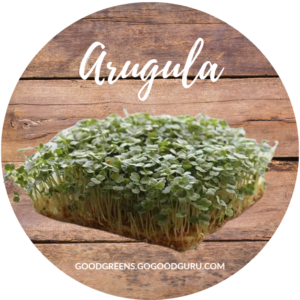
Arugula
Arugula microgreens have a peppery flavor that adds a kick to salads, sandwiches, and even pizzas.
- Vitamins : A, C, K
- Minerals: Calcium, Potassium, Magnesium, Iron, Phosphorus, Manganese
- Nutrients: Beta-carotene, Lutein, Protein, Chlorophyll, Antioxidants, Nitrates

basil
Arugula microgreens have a peppery flavor that adds a kick to salads, sandwiches, and even pizzas.
- Vitamins : A, C, K
- Minerals: Calcium, Iron, Magnesium, Potassium, Manganese
- Nutrients: Beta-carotene, Lutein, Protein, Chlorophyll, Antioxidants, Nitrates
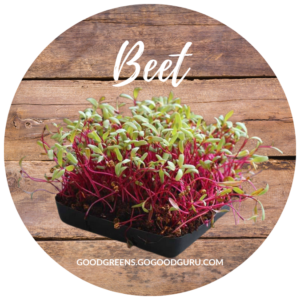
Beets
Arugula microgreens have a peppery flavor that adds a kick to salads, sandwiches, and even pizzas.
- Vitamins : A, C, K, B6
- Minerals: Calcium, Potassium, Magnesium, Iron, Phosphorus, Manganese
- Nutrients: Beta-carotene, Lutein, Protein, Chlorophyll, Antioxidants, Nitrates
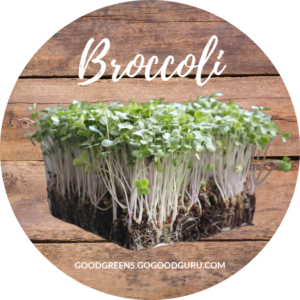
Broccoli
Arugula microgreens have a peppery flavor that adds a kick to salads, sandwiches, and even pizzas.
- Vitamins : A, C, K
- Minerals: Calcium, Potassium, Magnesium, Iron, Phosphorus, Manganese
- Nutrients: Beta-carotene, Lutein, Protein, Chlorophyll, Sulforaphane, Antioxidants, Nitrates
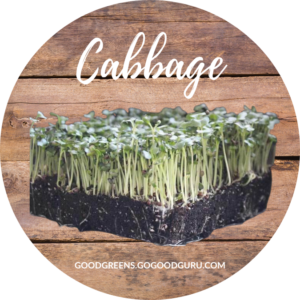
Cabbage
Arugula microgreens have a peppery flavor that adds a kick to salads, sandwiches, and even pizzas.
- Vitamins : A, C, K
- Minerals: Calcium, Potassium, Magnesium, Iron, Phosphorus, Manganese
- Nutrients: Beta-carotene, Lutein, Violaxanthin, Protein, Chlorophyll, Antioxidants, Nitrates
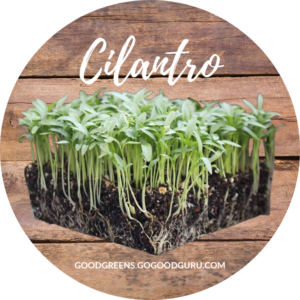
Cilantro
Arugula microgreens have a peppery flavor that adds a kick to salads, sandwiches, and even pizzas.
- Vitamins : A, C, K, E
- Minerals: Calcium, Potassium, Magnesium, Iron, Phosphorus, Manganese
- Nutrients: Beta-carotene, Lutein, Protein, Chlorophyll, Antioxidants, Nitrates
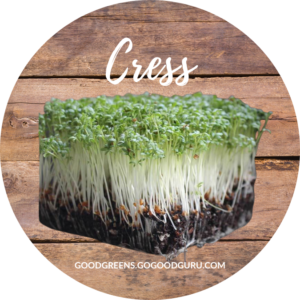
cress
Arugula microgreens have a peppery flavor that adds a kick to salads, sandwiches, and even pizzas.
- Vitamins : A, C, K, B6
- Minerals: Calcium, Potassium, Magnesium, Iron, Phosphorus, Manganese
- Nutrients: Beta-carotene, Lutein, Protein, Chlorophyll, Sulforaphane, Antioxidants, Nitrates
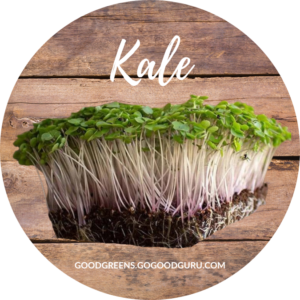
kale
Arugula microgreens have a peppery flavor that adds a kick to salads, sandwiches, and even pizzas.
- Vitamins : A, C, K, B6
- Minerals: Calcium, Potassium, Magnesium, Iron, Phosphorus, Manganese
- Nutrients: Beta-carotene, Lutein, Protein, Chlorophyll, Sulforaphane, Antioxidants, Nitrates

Mustard
Arugula microgreens have a peppery flavor that adds a kick to salads, sandwiches, and even pizzas.
- Vitamins : A, C, K, E
- Minerals: Calcium, Potassium, Magnesium, Iron, Phosphorus, Manganese
- Nutrients: Beta-carotene, Lutein, Protein, Chlorophyll, Antioxidants, Nitrates

Pea
Arugula microgreens have a peppery flavor that adds a kick to salads, sandwiches, and even pizzas.
- Vitamins : A, C, K, B6, B12
- Minerals: Calcium, Potassium, Magnesium, Iron, Phosphorus, Manganese
- Nutrients: Beta-carotene, Lutein, Protein, Chlorophyll, Amino Acids, Antioxidants, Nitrates
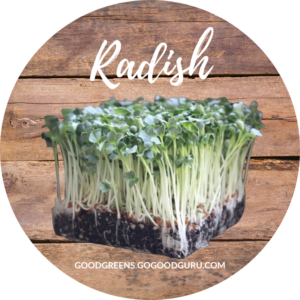
Radish
Arugula microgreens have a peppery flavor that adds a kick to salads, sandwiches, and even pizzas.
- Vitamins : A, C, K, B6
- Minerals: Calcium, Potassium, Magnesium, Iron, Phosphorus, Manganese
- Nutrients: Beta-carotene, Lutein, Protein, Chlorophyll, Sulforaphane, Antioxidants, Nitrates

Sunflower
Arugula microgreens have a peppery flavor that adds a kick to salads, sandwiches, and even pizzas.
- Vitamins : A, C, D, E, K, B6
- Minerals: Calcium, Potassium, Magnesium, Iron, Phosphorus, Manganese
- Nutrients:

Wheatgrass
Arugula microgreens have a peppery flavor that adds a kick to salads, sandwiches, and even pizzas.
- Vitamins : A, C, E, K, B6, B12
- Minerals: Calcium, Potassium, Magnesium, Iron, Phosphorus, Manganese
- Nutrients: Beta-carotene, Lutein, Protein, Chlorophyll, Amino Acids, Antioxidants, Nitrates
Why These Vitamins, Minerals & Nutrients are important
Microgreens are not only a trendy addition to your meals but also a powerhouse of nutrition. These tiny greens pack a punch with their high levels of vitamins, minerals, and other essential nutrients. In this guide, we will explore the various vitamins, minerals, and nutrients found in microgreens and why they are important for a healthy diet and lifestyle.
Vitamins in Microgreens
- Vitamin A: Crucial for vision, immune function, and skin health. It helps maintain the integrity of skin and mucous cells, which are the body’s first line of defense against infections.
- Vitamin C: This antioxidant supports immune function, skin health, and collagen synthesis. It also aids in the absorption of iron from plant-based foods.
- Vitamin D: Vitamin D is vital for bone health as it helps the body absorb calcium. It also supports immune function and has anti-inflammatory properties.
- Vitamin E: An antioxidant that protects cells from damage. It supports immune function and skin health.
- Vitamin E: An antioxidant that protects cells from damage. It supports immune function and skin health.
- Vitamin K: Essential for blood clotting and bone health. It helps in the synthesis of proteins required for blood coagulation.
- Vitamin B6: Important for brain health, neurotransmitter function, and red blood cell production. It also supports energy metabolism.
- Vitamin B12: Essential for red blood cell formation, neurological function, and DNA synthesis. It is especially important for vegetarians and vegans who might have limited sources of this vitamin.
Minerals in Microgreens
- Calcium: Vital for bone and teeth health, muscle function, and nerve signaling. It helps in maintaining strong bones and preventing osteoporosis.
- Chromium: Enhances the action of insulin and helps regulate blood sugar levels. It is important for carbohydrate, fat, and protein metabolism.
- Copper: Involved in energy production, connective tissue formation, and iron metabolism. It also supports brain development and immune function.
- Iron: Necessary for the production of hemoglobin, which carries oxygen in the blood. It prevents anemia and supports energy levels.
- Magnesium: Involved in over 300 biochemical reactions in the body, including muscle and nerve function, blood glucose control, and bone health.
- Manganese: Supports bone formation, blood clotting, and immune response. It also plays a role in metabolism and antioxidant defense.
- Potassium: Helps maintain fluid balance, muscle contractions, and nerve signals. It supports heart health and reduces blood pressure.
- Phosphorus: Essential for the formation of bones and teeth. It also plays a role in energy production and storage.
- Selenium: An antioxidant that protects cells from damage and supports thyroid function. It also boosts the immune system.
- Zinc: Important for immune function, wound healing, DNA synthesis, and cell division. It supports growth and development during pregnancy, childhood, and adolescence.
Nutrients in Microgreens
- Amino Acids: The building blocks of proteins. They are vital for many physiological processes, including tissue repair, nutrient absorption, and enzyme production.
- Antioxidants: Compounds that protect cells from damage caused by free radicals. They reduce the risk of chronic diseases such as heart disease, cancer, and diabetes.
- Beta-carotene: A precursor to vitamin A and an antioxidant. It supports vision, skin health, and immune function.
- Chlorophyll: Known for its detoxifying properties. It helps in blood purification, wound healing, and boosting the immune system.
- Lutein: An antioxidant that is important for eye health. It helps protect against age-related macular degeneration.
- Lutein: An antioxidant that is important for eye health. It helps protect against age-related macular degeneration.
- Nitrates: Can improve blood flow and reduce blood pressure. They are converted into nitric oxide in the body, which helps in dilating blood vessels.
- Protein: Essential for building and repairing tissues. It is a crucial component of muscles, bones, skin, and blood.
- Sulforaphane: Found in cruciferous vegetables like broccoli. It has potent anti-cancer properties and supports detoxification processes in the body.
- Violaxanthin: A type of carotenoid with antioxidant properties. It supports eye health and may reduce the risk of certain chronic diseases.
Incorporating microgreens into your diet is an excellent way to boost your intake of essential vitamins, minerals, and nutrients. These tiny greens are versatile, nutritious, and can easily be added to a variety of dishes. Whether you sprinkle them on your salad, blend them into a smoothie, or use them as a garnish, microgreens are a delicious and healthful addition to any meal.
Don’t Let Their Size Fool You
Even a small handful can significantly boost your nutrient intake. In fact, while microgreens pack a powerful nutritional punch, they’re typically consumed in smaller quantities than fruits or mature vegetables. By regularly incorporating a variety of microgreens into your diet, you’re taking a simple yet effective step towards optimizing your nutrition. So why not start your microgreen journey today? Your taste buds and your body will thank you for this small but mighty addition to your plate.